Why choosing natural fibers, investing in quality clothing, and supporting independent brands might be some of the most meaningful changes we can make for our health and the planet.
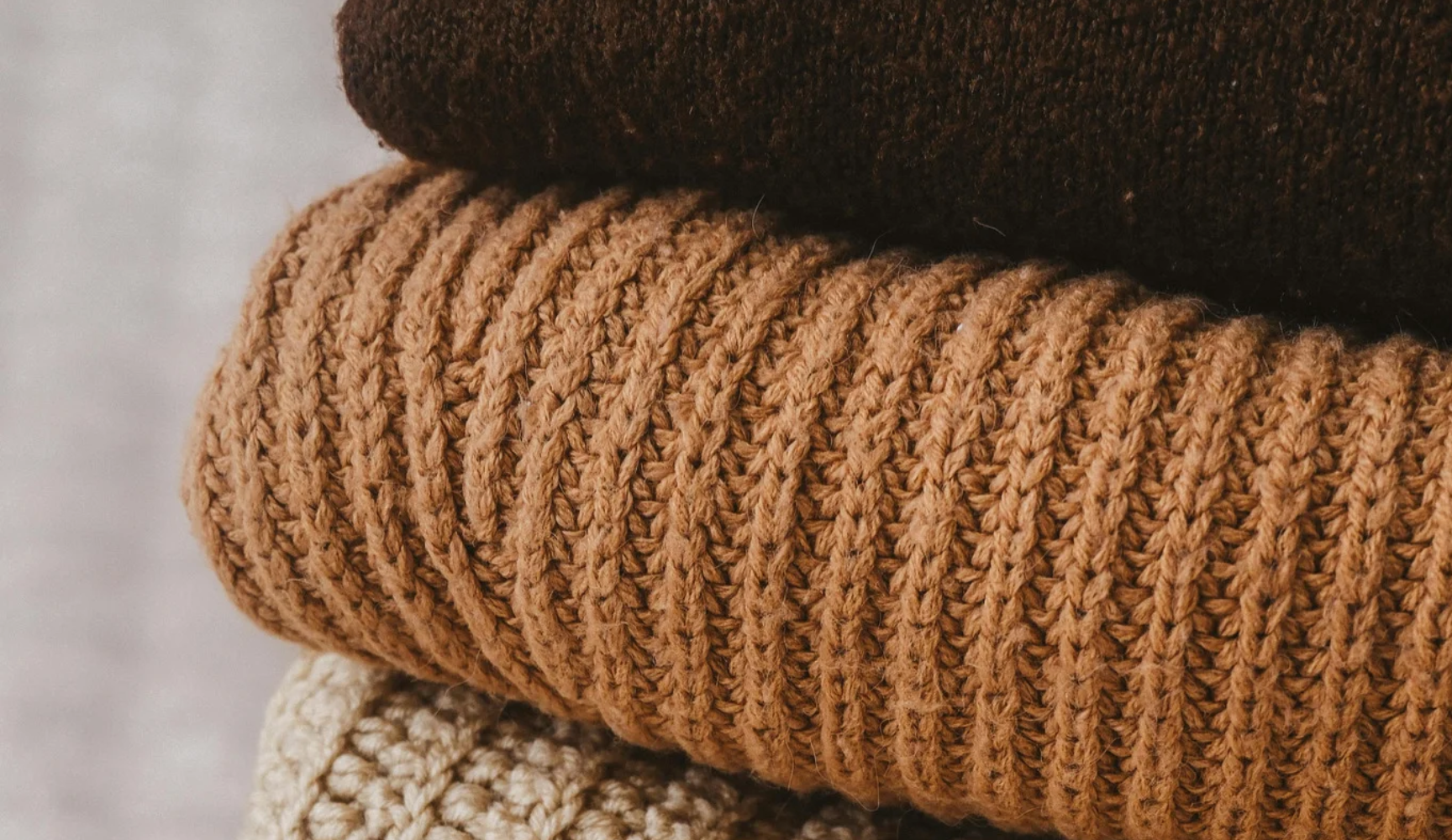
There is something beautiful about a wardrobe filled with pieces that feel just as good as they look. Linen that softens with every wash, cotton that breathes against your skin, and wool sweaters made to last for decades rather than a single season.
Lately, I’ve been thinking more intentionally about the clothes I bring into my home. We spend so much time considering the ingredients in our food, the products we put on our skin, and the materials we surround ourselves with, yet clothing is often overlooked.
The reality is that the fashion industry has become increasingly dependent on synthetic materials, disposable trends, and mass production. Polyester, nylon, and acrylic have become commonplace, often replacing natural fibers in everyday clothing. While these materials are inexpensive and convenient to manufacture, their environmental costs are significant, and questions about their long-term impact on human health deserve more attention.
For me, building a more conscious wardrobe isn’t about having a perfectly sustainable closet or throwing away everything synthetic. It’s about becoming more thoughtful consumers. It’s about choosing fewer, better-quality pieces, understanding what our clothes are made from, and supporting the smaller businesses working to do things differently.
If we’re going to invest in clothing, shouldn’t we invest in pieces that are better for our bodies, our communities, and the earth?
Here’s why natural fibers matter and ten brands worth knowing if you’re looking to build a more intentional wardrobe.
Why the fabrics we wear matter more than we think
1. The environmental cost of fast fashion
Fast fashion has fundamentally changed our relationship with clothing. What was once considered an investment has become something disposable. New collections arrive constantly, trends cycle through social media at an overwhelming pace, and inexpensive clothing makes it easier than ever to purchase more than we actually need.
But the environmental consequences are difficult to ignore.
According to the United Nations Environment Programme (UNEP), the textile industry is responsible for approximately 2–8% of global greenhouse gas emissions. The industry also consumes enormous quantities of water and contributes to chemical pollution throughout the production process.
Even more concerning is the amount of clothing we throw away.
A 2025 UNEP report estimates that the world generates approximately 92 million tonnes of textile waste every year. That’s equivalent to a truckload of clothing being discarded or incinerated every second. In 2023, only 8% of textile fibers came from recycled sources, while less than 1% came from recycling old textiles into new textile fibers.
Consider that for a moment.
An industry built around constantly encouraging us to buy more has created a system in which enormous amounts of clothing are produced, worn briefly, and discarded.
The solution isn’t simply to replace every fast-fashion purchase with an expensive sustainable alternative. It’s to challenge the mindset that we need something new every time a trend changes.
Buying less, choosing natural and responsibly sourced materials, shopping secondhand, and investing in garments that will last are all meaningful places to start.
2. Natural fibers versus synthetic fabrics
One of the easiest ways to become a more conscious shopper is to start reading clothing labels.
Many garments that appear to be cotton or wool at first glance are actually blended with polyester, acrylic, nylon, or elastane. These synthetic fibers are typically manufactured using fossil-fuel-derived materials.
Natural fibers, on the other hand, come from plant or animal sources.
Some of the most desirable options include:
- Organic cotton: Soft, breathable, and versatile. Organic farming standards restrict the use of many synthetic pesticides and fertilizers.
- Linen: Made from flax, linen is naturally breathable, durable, and particularly lovely in warm climates.
- Hemp: A strong plant fiber that can be grown with comparatively modest agricultural inputs, depending on farming practices.
- Wool: Naturally insulating, temperature-regulating, and resilient when properly cared for.
- Silk: A natural protein fiber known for its softness, drape, and lightweight feel.
- Alpaca: A naturally insulating animal fiber valued for its softness and durability.
Natural fibers aren’t automatically sustainable. Conventional cotton can require substantial water and agricultural inputs, while animal fibers raise questions about land use, animal welfare, and production practices.
This is why looking beyond the fiber itself matters. How it was grown, harvested, dyed, manufactured, and transported all contribute to its overall footprint.
Nevertheless, choosing natural fibers can help reduce dependence on fossil-fuel-based textiles and avoid the persistent synthetic microfibers released by polyester and other plastic-based fabrics.
3. What does polyester mean for our health?
This is where the conversation becomes particularly interesting
Polyester is essentially a plastic-based textile. It’s inexpensive, wrinkle-resistant, durable, and easy to manufacture, which explains why it has become one of the most widely used fibers in the world.
However, polyester comes with concerns that are worth understanding.
Microplastic exposure
Every time synthetic clothing is washed, tiny plastic fibers can break away and enter wastewater systems. These microfibers contribute to the growing problem of microplastic pollution in our oceans, waterways, and environment.
Research into human exposure to microplastics is still developing. Scientists have detected microplastics in various human tissues and biological samples, but the long-term health consequences and the specific contribution of wearing polyester clothing remain uncertain.
It’s important not to confuse a legitimate emerging concern with established medical evidence.
Skin irritation and textile chemicals
Another consideration is the chemicals used to manufacture and finish clothing.
Textile dyes, wrinkle-resistant finishes, adhesives, and other processing chemicals can sometimes cause skin irritation or allergic contact dermatitis.
Interestingly, this isn’t exclusive to polyester. Natural and synthetic fabrics can both be treated with potentially irritating substances.
According to DermNet, a dermatology resource, textile-related allergic reactions are more commonly associated with chemical additives, dyes, and finishing agents than with the fibers themselves.
DermNet®
This is one reason I find organic and minimally processed clothing so appealing. Choosing certified organic fibers, undyed garments, and brands that are transparent about their manufacturing practices can help reduce exposure to certain unwanted textile chemicals.
It doesn’t mean natural clothing is automatically chemical-free, but it gives us more information about what we’re buying.
10 of the best clothing brands for natural fibers and quality
I’ve prioritized brands with a focus on natural materials, thoughtful production, timeless design, and transparency. Some are particularly small or founder-led businesses, while others are more established independent labels. They’re not all perfect, and their individual collections can include different fiber blends, so checking each garment’s composition is still important.
1. Harvest & Mill
Best for American-made organic cotton
If you’re looking to make the switch to organic cotton, Harvest & Mill is a wonderful place to start.
Founded in Berkeley, California, in 2012, the brand was created around the idea of rebuilding local textile supply chains. Its clothing is made from USA-grown organic cotton, with the spinning, knitting, and sewing also taking place domestically.
One of my favorite aspects of the brand is its commitment to natural, undyed cotton. Rather than relying on unnecessary dyes and finishes, many of its pieces celebrate the natural color of the cotton itself.
I also love that supporting a brand like this helps sustain American farmers, heritage textile mills, and independent sewing businesses.
What to shop: Organic cotton tees, everyday basics, socks, and loungewear.
2. Jungmaven
Best for hemp clothing
Jungmaven is a brand worth knowing if you’re interested in exploring hemp as an alternative to conventional cotton and synthetic fabrics.
Founded by Robert Jungmann, the company was inspired by his interest in the environmental potential of hemp. Its mission is rooted in bringing hemp textiles into everyday fashion through comfortable, wearable, well-made pieces.
Hemp is particularly interesting because it is a versatile natural fiber that can be grown with relatively low agricultural inputs under suitable conditions. It also produces a durable fabric that becomes softer with wear.
The brand offers a beautiful selection of relaxed basics that feel effortless rather than overly trendy.
What to shop: Hemp tees, tanks, sweatshirts, and everyday essentials.
3. OZMA of California
Best for timeless, elevated basics
For anyone who loves understated, elevated clothing, OZMA of California is one of my favorite brands to explore.
Founded by designer Heidi Baker in 2015, OZMA was built around the idea that quality, sustainability, and thoughtful design should go hand in hand.
The brand works with natural materials including linen, silk, and cotton, creating beautiful pieces that feel timeless and versatile. Its garments are designed and made in Los Angeles and Peru, with an emphasis on craftsmanship and thoughtful production.
I especially love the relaxed silhouettes and natural textures. These are the kinds of pieces that can become wardrobe staples rather than something you wear for one season.
What to shop: Silk separates, linen dresses, cotton tops, and relaxed trousers.
4. Shaina Mote
Best for considered craftsmanship
Shaina Mote is another beautiful example of a brand prioritizing longevity over fast-moving trends.
The Los Angeles-based label focuses on thoughtful design, organic and biodegradable materials, and strong relationships with its production partners.
One detail I particularly appreciate is its attention to construction. The brand uses French seams in its garments, a technique that takes more time but creates a strong, durable finish.
It also works with local Los Angeles manufacturers and artisan knitters in Peru, incorporating fibers such as alpaca and Peruvian Pima cotton.
Its approach demonstrates that sustainability isn’t just about choosing a particular fabric. It’s also about how a garment is constructed and how long we can realistically expect to wear it.
What to shop: Linen dresses, cotton separates, and alpaca knitwear.
5. LA Relaxed
Best for locally made everyday essentials
LA Relaxed is a wonderful option for everyday clothing that doesn’t sacrifice comfort or thoughtful production.
The brand designs and manufactures its garments under one roof in Los Angeles. It emphasizes smaller production runs, certified organic cotton, local sourcing, and the use of deadstock fabrics.
I particularly appreciate its focus on making clothing locally. Keeping production close to home can help reduce transportation requirements while creating opportunities for local workers and textile businesses.
Its philosophy of producing only what is needed is also a refreshing alternative to the constant cycle of overproduction.
What to shop: Organic cotton basics, relaxed separates, and comfortable everyday pieces.
6. Christy Dawn
If you love feminine silhouettes, romantic dresses, and vintage-inspired clothing, Christy Dawn is a beautiful brand to discover.
The company is particularly interesting for its work with regenerative agriculture and its commitment to considering the environmental impact of materials before they become garments.
Its regenerative cotton initiatives explore how fashion can support healthier agricultural systems rather than simply extracting resources from the land.
This is an important distinction because sustainability should extend beyond the finished garment. We should also consider the soil, farmers, ecosystems, and communities involved in producing its raw materials.
What to shop: Dresses, cotton tops, and romantic everyday separates.
7. Pyne & Smith
For anyone who loves linen, Pyne & Smith deserves a place on this list.
The brand is known for its understated linen clothing and relaxed, timeless silhouettes. Linen is one of my favorite fibers because it is breathable, durable, and develops a beautiful softness over time.
Unlike trend-driven pieces that can feel dated after a few months, a well-made linen dress or pair of trousers can remain relevant for years.
This is exactly the kind of mindset I want to encourage when building a more sustainable wardrobe: invest in beautiful pieces that you’ll actually want to wear repeatedly.
What to shop: Linen dresses, trousers, tops, and wardrobe staples.
8. MATE the Label
MATE the Label is a great option for those who want comfortable everyday essentials with a more considered approach to materials.
The Los Angeles-based brand focuses on organic and plant-based fabrics, lower-impact dyes, and everyday clothing designed to be worn regularly.
I particularly like that it makes the conversation around conscious clothing more accessible. You don’t need an entirely new wardrobe of expensive designer pieces to begin making better choices.
Starting with basics such as underwear, tees, and loungewear is a practical way to gradually move toward a wardrobe with more natural fibers.
One thing to remember is that not every plant-based material is a natural fiber in the strictest sense. Check individual product compositions, particularly where TENCEL or other regenerated fibers are used.
What to shop: Organic cotton tees, loungewear, underwear, and everyday basics.
9. Passion Lilie
Sustainability is not just about the environment. It also means considering the people behind the clothing we purchase.
Passion Lilie is a brand that brings this idea to life through its commitment to Fair Trade production and organic cotton.
Designed in New Orleans and handmade in India, the brand works with artisan communities to create colorful, thoughtfully made clothing.
I love that its pieces celebrate traditional craftsmanship and the people who make them. Supporting businesses that value artisan skills helps keep these traditions alive while creating more meaningful connections between consumers and makers.
What to shop: Organic cotton dresses, printed tops, and artisan-made separates.
10. KNOWN SUPPLY
KNOWN SUPPLY approaches clothing from a particularly human perspective.
The brand emphasizes the people who make our clothes, working with Fair Trade Certified factories and providing greater visibility into its production practices.
Its philosophy is a reminder that every garment has a human story behind it.
When we purchase inexpensive clothing without considering its origins, it’s easy to forget that someone has spent time, skill, and labor creating it.
I appreciate brands that encourage us to reconnect with that process and recognize the value of the people involved.
Look for its Fair Trade Certified products and check individual fiber compositions when shopping for natural materials.
What to shop: Organic cotton basics, tees, and everyday essentials.
Why supporting independent clothing brands matters
One of the biggest things I’ve come to appreciate about shopping more intentionally is the opportunity to support smaller businesses.
It’s easy to forget that behind many of the brands we see advertised everywhere are enormous corporations with significant manufacturing networks and production demands.
Independent brands often operate differently. Many are founded by designers who have a genuine interest in craftsmanship, material sourcing, and building a business around a particular philosophy.
When we choose to shop with these businesses, we’re helping support:
- Small-business owners and entrepreneurs: People who have taken the risk of building something independently.
- Local manufacturing: Smaller production facilities, textile mills, and sewing communities.
- Traditional craftsmanship: Artisans and skilled workers whose techniques deserve to be preserved.
- More intentional production: Businesses that may prioritize limited collections and smaller production runs over constant new releases.
- Greater accountability: Smaller supply chains can sometimes make it easier to establish direct relationships with manufacturers and understand where materials come from.
Of course, being a small business doesn’t automatically make a company ethical or sustainable. Transparency, fair wages, material sourcing, and manufacturing practices still matter.
But I think there’s something meaningful about knowing where our money is going and choosing to invest in businesses whose values align with our own.
Instead of purchasing five inexpensive tops from a mass-market retailer, perhaps we purchase one beautiful top from an independent designer.
That single purchase can represent a different way of participating in the fashion industry.
How to start building a more natural wardrobe
You don’t need to replace your entire wardrobe overnight. In fact, throwing away perfectly wearable clothing would defeat much of the purpose.
Instead, I would approach this as a gradual transition.
Here are a few places to start:
1. Prioritize the pieces closest to your skin.
Start with underwear, pajamas, bedding, and everyday basics. Look for organic cotton, linen, and other natural fibers.
2. Learn to read clothing labels.
Look beyond the marketing language on the front of a garment. Check the actual fiber composition. A garment marketed as cotton might still contain a substantial percentage of polyester.
3. Look for meaningful certifications.
Some useful certifications and standards include:
- GOTS: Global Organic Textile Standard. Covers organic fiber requirements and environmental and social criteria throughout textile processing.
- OEKO-TEX STANDARD 100: Tests textile products for specified harmful substances.
- Fair Trade Certified: Provides independent standards addressing working conditions and worker protections.
- USDA Organic: Relevant to certified organic agricultural materials, including cotton.
Remember that these certifications address different things. OEKO-TEX, for example, does not mean a garment is made entirely from organic fibers.
4. Invest in timeless pieces.
Choose silhouettes, colors, and fabrics you genuinely love. A well-made linen dress, cotton button-down, or wool sweater can become something you reach for year after year.
5. Shop independent and secondhand first.
Before purchasing something new, consider whether you can find it secondhand or from a smaller independent designer. Extending the life of clothing already in circulation is one of the most direct ways to reduce demand for new production.
6. Take care of what you own.
Wash less frequently when appropriate, follow care instructions, air-dry when possible, and repair small imperfections. The most sustainable garment is often the one already hanging in your closet.
A final thought: Buying better is a form of voting with our dollars
I think it’s easy to become overwhelmed when we start learning about the environmental impact of the things we consume.
But I don’t believe conscious living should be rooted in guilt. It should be rooted in intention.
We can’t control every part of the fashion industry, but we can control how we participate in it. We can choose to support businesses that prioritize craftsmanship, purchase garments made from materials that align with our values, and stop treating clothing as something disposable.
There is also something deeply rewarding about knowing the story behind what we wear. Knowing where the cotton was grown, who made the garment, and why a particular brand chose to produce it in the first place.
I want a wardrobe that feels good to wear, but I also want one that reflects the things I value: quality, longevity, creativity, community, and respect for the natural world.
Perhaps the next time we’re tempted by an inexpensive, trendy purchase, we can pause and ask ourselves a different question:
Would I rather own ten things I only love for a season, or one thing I’ll treasure for ten years?
I know which direction I’d like my wardrobe to take.
Sources & further reading
For readers who want to explore the research and ideas behind this article, these are worthwhile resources:
1. United Nations Environment Programme (2025): Transforming the Textile Industry: Learning to Manage Waste, Better. Reports on textile waste, recycling, and the growing environmental burden of clothing production. Read the report.
2. United Nations Environment Programme: Minimizing Fashion’s Environmental Footprint. Provides estimates of fashion’s contribution to greenhouse gas emissions and water consumption. Read the research.
3. United Nations (ActNow): Facts and Figures. Additional statistics on clothing production, garment lifespans, and textile waste. Explore the statistics.
4. World Health Organization (2022): Dietary and Inhalation Exposure to Nano- and Microplastic Particles and Potential Implications for Human Health. An important overview of current scientific uncertainties surrounding microplastic exposure. Read the WHO report.
5. National Institute of Environmental Health Sciences (2024): Microplastics’ Knowns and Unknowns. A useful discussion of what scientists currently understand and what remains unknown about microplastics and human health. Read the article.
6. DermNet: Textile Contact Dermatitis. Information about textile dyes, chemical finishes, and skin reactions. Read the dermatology resource.
7. Casey Means, MD, and Calley Means: Good Energy (2024). A broader exploration of metabolic health, environmental exposures, and everyday wellness. Book information and publication details.
8. Good On You: Independent brand assessments and information on ethical and sustainable fashion. Explore its sustainable fashion directory.
Editorial note: The ten brands above are a curated starting point, not a claim that every product they sell is entirely natural, independently certified, or impact-free. In particular, Pyne & Smith has announced a relocation from California to the UK, so readers should check its current production and availability updates before purchasing.