Why choosing natural fibers is one of the simplest ways to build a more thoughtful, comfortable, and sustainable wardrobe.
There is something special about getting dressed in the morning, even when the only place you’re going is the kitchen for a cup of coffee. A comfortable matching set, a well-worn sweatshirt, or a pair of soft cotton pajamas can make even the slowest mornings feel a little more intentional.
But as I’ve become more conscious of the materials that make up my wardrobe, I’ve started paying closer attention to something beyond the fit, color, and aesthetic of my clothing: the fabric itself.
So much of the loungewear available today is made with polyester, nylon, acrylic, and other synthetic fibers. While these materials can be inexpensive, durable, and easy to manufacture, they also come with environmental considerations that are often overlooked. And with more of us spending our days in comfortable clothes, it seems worthwhile to reconsider what those clothes are actually made of.
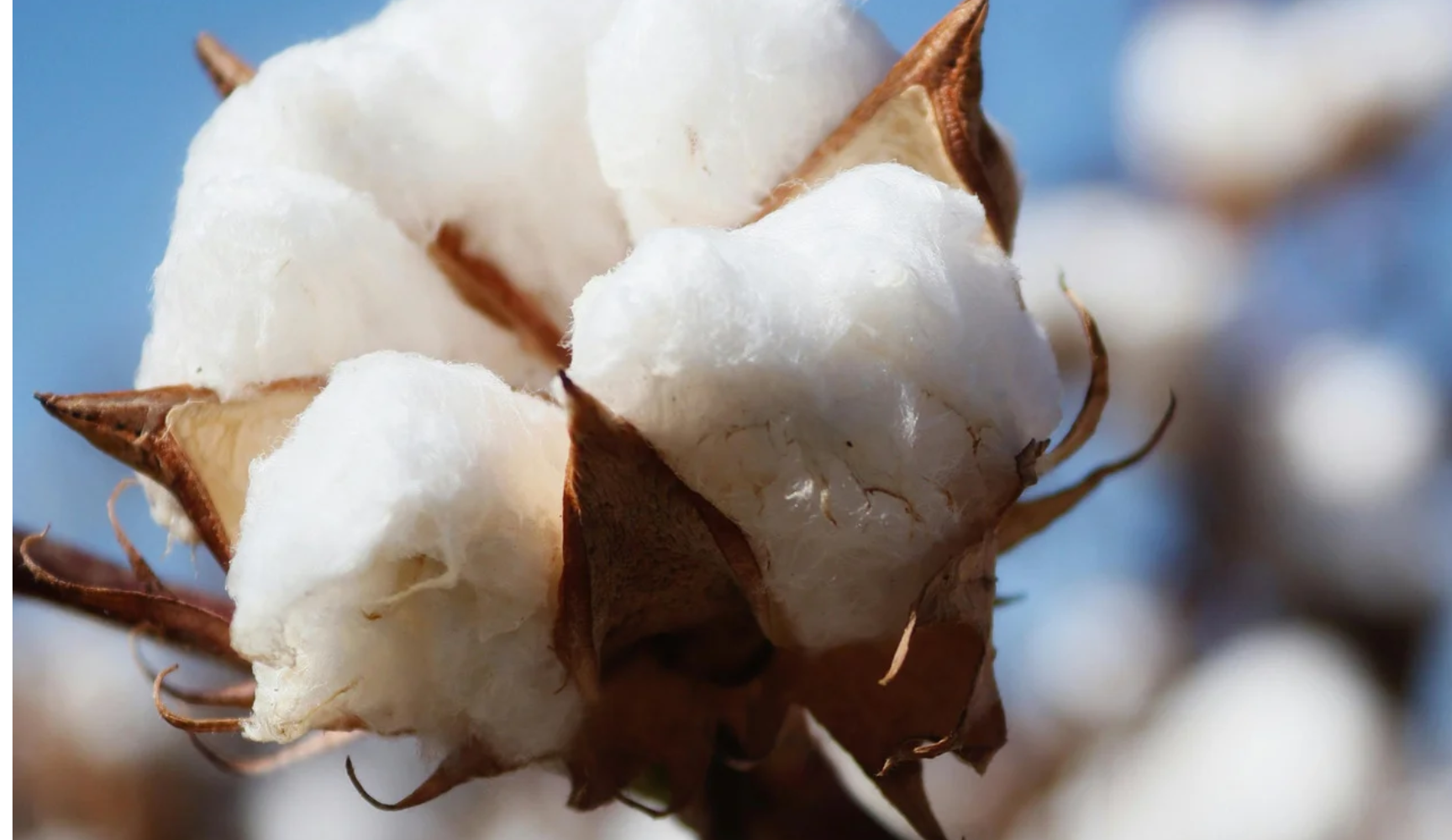
Cotton is not a perfect solution, and conventional cotton production has its own environmental challenges. However, responsibly sourced cotton, particularly certified organic cotton, offers an appealing alternative to petroleum-derived synthetic fabrics. It is naturally breathable, comfortable against the skin, and does not shed persistent plastic microfibers in the same way synthetic textiles do.
The good news? You don’t have to sacrifice style to make more thoughtful choices. There are some surprisingly beautiful brands creating elevated loungewear using 100% cotton, from minimalist matching sets to whimsical printed pajamas and everyday sweatshirts.
I’ve rounded up ten brands worth knowing, including a few you might not immediately associate with natural-fiber clothing.
1. Faherty
Best for: Coastal-inspired everyday loungewear
If you’ve ever admired the relaxed, effortless aesthetic of coastal New England style, you may already be familiar with Faherty. Founded in 2013 by twin brothers Mike and Alex Faherty, alongside Alex’s wife Kerry Docherty, the family-led brand has built its identity around comfortable, thoughtfully designed clothing.
While Faherty is often associated with its swimwear, flannels, and casual coastal staples, its sweatshirts and relaxed cotton separates are worth exploring. Look for its organic cotton and cotton fleece offerings, particularly if you prefer loungewear that feels a little more polished than traditional sweatpants.
What to shop: Cotton sweatshirts, relaxed cotton pants, and organic cotton casual separates.
Estimated price range: 70–160 for individual lounge pieces.
Ownership: Family-founded and family-led. Faherty is also a Certified B Corporation, reflecting its commitment to social and environmental performance.
2. FP Movement
Best for: Sporty, relaxed matching sets
You might recognize FP Movement as Free People’s activewear sister brand, but its more relaxed collections are worth a second look. Beyond leggings and performance apparel, the brand carries sweatshirts, oversized tops, and casual lounge-inspired pieces.
The trick is to shop selectively. Many of its performance pieces contain synthetic fibers, but certain cotton sweatshirts and relaxed styles offer a more natural alternative.
What to shop: On Rewind styles, cotton sweatshirts, and relaxed cotton shorts.
Estimated price range: 40–130 for individual pieces.
Ownership: Owned by Urban Outfitters, Inc. (URBN), a publicly traded company that also owns Free People, Anthropologie, and Urban Outfitters. This is a great example of finding natural-fiber options somewhere you might not traditionally think to look.
3. Outerknown
Best for: Minimalist, everyday essentials
Outerknown is a brand that deserves more attention from anyone trying to build a more sustainable wardrobe. Founded by professional surfer Kelly Slater and designer John Moore, the company was built around the idea that clothing should be made with greater consideration for the people and planet behind it.
Its Sideline Club collection is particularly appealing for loungewear. The Sideline Club Hoodie, for example, is made from lightweight organic cotton French terry. It’s an easy piece to wear with matching pants or your favorite everyday denim.
Beyond fabric choices, Outerknown has also invested in supply-chain transparency, preferred materials, and resale through its Outerworn platform.
What to shop: Sideline Club Hoodie and matching Sideline Club Pant.
Estimated price range: 60–150 for individual pieces.
Ownership: Privately held brand co-founded by Kelly Slater and John Moore.
4. Kotn
Best for: Timeless, elevated basics
Kotn is one of my favorite discoveries for anyone who appreciates a minimalist wardrobe. The Canadian-founded brand works with Egyptian cotton sourced from smallholder family-run farms in the Nile Delta and Faiyum regions.
Its focus on natural materials, timeless silhouettes, and responsible sourcing makes it a particularly appealing place to shop for everyday essentials.
The Essential Sweatshirt is a standout example, with a relaxed fit and 100% cotton fleece construction. It is the kind of piece that can easily become a staple in your weekly rotation.
Kotn also emphasizes responsible production, including low-waste cutting practices and non-toxic certified dyes.
What to shop: Essential Sweatshirt, cotton tees, and relaxed cotton basics.
Estimated price range: 35–100 for individual pieces.
Ownership: Privately held, Canadian-founded brand established by Rami Helali and Benjamin Sehl.
5. Kate Quinn
Best for: Soft, comfortable everyday basics
Kate Quinn is probably best known for its children’s clothing, but its adult collections are worth exploring. The brand has a particularly appealing selection of relaxed silhouettes, soft cotton basics, and comfortable pieces that work beautifully for lounging.
Its organic cotton offerings are a nice alternative to the synthetic-heavy matching sets that dominate many mainstream retailers.
Look for relaxed sweatshirts, cotton tops, and coordinating separates. Be sure to check the composition of individual pieces, as not every style is made entirely from cotton.
What to shop: Adult organic cotton sweatshirts, relaxed tops, and cotton basics.
Estimated price range: 25–85 for individual pieces.
Ownership: Independent brand founded by Kate Quinn. Current ownership structure is not clearly disclosed publicly.
6. Organic Basics
Best for: Matching cotton sweat sets
If you’re searching for a classic matching sweatshirt and sweatpant combination, Organic Basics is a great place to start.
The brand focuses on everyday essentials, with an emphasis on more responsible materials and production practices. Its Weekend collection is especially relevant for loungewear, featuring relaxed sweatshirts and comfortable bottoms.
I particularly like the idea of investing in a few versatile pieces in neutral colors rather than constantly buying new seasonal sets.
One important shopping note: the brand’s organic cotton collections can include different fabric compositions, so check the exact fiber breakdown of each item before purchasing if you’re committed to 100% cotton.
What to shop: Weekend Boxy Fit Crewneck Sweatshirt and coordinating Weekend separates.
Estimated price range: 40–120 for individual pieces.
Ownership: Privately held, Danish-founded company established by four co-founders, including Mikkel Skov and Alexander Sand.
7. LAKE Pajamas
Best for: Classic, feminine sleepwear
For anyone who believes that pajamas should be just as beautiful as the rest of their wardrobe, LAKE is a brand worth knowing.
The brand specializes in thoughtfully designed sleepwear, with an emphasis on timeless silhouettes, beautiful colors, and comfortable fabrics.
Its Cotton Voile collection is particularly lovely. Cotton voile is a lightweight, finely woven fabric that feels airy and soft, making it an excellent option for warmer nights or anyone who prefers lightweight pajamas.
Rather than investing in another polyester satin pajama set, consider a classic cotton button-up and matching shorts or pants.
What to shop: Cotton Voile pajama sets, matching shorts, and relaxed sleepwear.
Estimated price range: 90–160 for pajama sets.
Ownership: Privately held American sleepwear brand founded by Cassandra Cannon.
8. Printfresh
Best for: Whimsical, colorful cotton pajamas
If you’re tired of the endless selection of beige, gray, and black loungewear, Printfresh is a refreshing change.
Founded by textile designer Amy Voloshin, the Philadelphia-based brand is known for its colorful prints, artistic patterns, and beautifully designed sleepwear.
Many of its pajama collections are made with 100% organic cotton poplin. This is particularly appealing because you can enjoy beautiful prints without sacrificing your preference for natural fibers.
I love the idea of choosing a playful printed pajama set that feels special enough to wear on a slow Sunday morning but comfortable enough to sleep in every night.
What to shop: Organic cotton pajama sets, robes, and matching sleep shorts.
Estimated price range: 90–180 for individual sets and coordinating pieces.
Ownership: Independent, founder-led brand established by Amy Voloshin.
9. EILEEN FISHER
Best for: Elevated, timeless loungewear
EILEEN FISHER is one of those brands that makes investing in fewer, better pieces feel worthwhile.
Known for its minimalist aesthetic and commitment to creating clothing that lasts, the brand offers relaxed separates that can transition from lounging at home to running errands or meeting a friend for coffee.
Its organic cotton offerings are especially appealing. Look for cotton fleece, relaxed pants, and comfortable tops that can be mixed and matched with the rest of your wardrobe.
I also appreciate the brand’s broader commitment to circularity through its Renew take-back and resale program, which helps extend the life of clothing that might otherwise be discarded.
What to shop: Organic cotton sleepwear, cotton fleece tops, and relaxed cotton pants.
Estimated price range: 80–250 for individual pieces.
Ownership: Founded by Eileen Fisher in 1984. The company remains privately controlled and has a substantial employee-ownership component.
10. Harvest & Mill
Best for: Truly natural, domestically produced loungewear
If there is one brand on this list that I would encourage everyone to explore, it is Harvest & Mill.
Based in Berkeley, California, Harvest & Mill takes a particularly thoughtful approach to clothing production. Rather than simply sourcing organic cotton fabric and manufacturing garments overseas, the company has built a domestic supply chain that traces its clothing from the cotton farm to the finished garment.
Its cotton is USDA-certified organic and grown in the United States. The company works with American heritage mills and independent, family-owned sewing factories in the San Francisco Bay Area.
Even more impressive, its clothing is designed and sewn locally, with a focus on minimizing unnecessary chemical treatments and offering naturally colored cotton options.
For loungewear, its selection includes organic cotton joggers, straight-leg lounge pants, sweatshirts, and athletic shorts.
This is a wonderful example of how supporting a smaller independent brand can mean supporting not only the people who design the clothing, but also the farmers, mills, and workers involved in making it.
What to shop:
- Women’s Organic Straight Leg Lounge Pants — approximately $76
- Women’s Organic Jogger Pants — approximately $76
- Women’s Organic Heavyweight Crew Sweatshirt — approximately $124
- Women’s Organic Athletic Shorts — approximately $64
Ownership: Independently operated, Berkeley-based small business founded in 2012.
Why choosing natural fibers matters
It’s easy to think of clothing as something that only affects our personal style, but the materials we wear have a much larger impact.
The fashion industry is incredibly resource-intensive, and the rise of inexpensive synthetic fabrics has created environmental challenges that extend far beyond the manufacturing process.
Here are a few reasons why I think paying attention to fabric composition is worth the extra effort.
1. Synthetic fabrics are essentially plastic
Polyester, nylon, and acrylic are synthetic fibers made from petrochemical materials. In other words, many of the clothes we wear every day are essentially made from plastic.
These materials are popular because they’re inexpensive, durable, and relatively easy to produce. However, they also contribute to the growing problem of plastic pollution.
When synthetic garments are washed, they can release tiny plastic fibers called microfibers. These fibers can pass through wastewater treatment systems and enter waterways and ecosystems.
Choosing cotton, linen, hemp, and other natural fibers can help reduce our dependence on petroleum-derived textiles and the release of persistent plastic microfibers from everyday clothing.
2. Natural fibers can be more comfortable against the skin
One of the biggest reasons I prefer cotton loungewear is simply how it feels.
Cotton is naturally breathable and absorbs moisture, making it a comfortable option for everyday wear, especially when you’re spending long hours in your clothes.
Unlike many synthetic fabrics, which can feel clingy or trap heat depending on their construction, lightweight cotton allows air to circulate and can feel particularly comfortable during warmer months.
Of course, fabric construction, fit, and finishing treatments all influence comfort. But for everyday pajamas and loungewear, cotton is a wonderful place to start.
3. Organic cotton supports more responsible farming practices
Conventional cotton farming can involve significant pesticide use, synthetic fertilizers, and intensive water management.
Organic cotton standards restrict the use of many synthetic agricultural chemicals and genetically modified seeds, encouraging different approaches to soil management and pest control.
When shopping, look for GOTS-certified organic cotton. This certification addresses more than just the raw fiber; it also includes requirements for processing, environmental practices, and social criteria throughout certified textile production.
It is important to remember that organic cotton is not automatically impact-free. Farming still requires water and land, and the environmental footprint depends on the region, production methods, and processing.
But choosing certified organic cotton can be a meaningful step toward supporting more responsible textile production.
4. Natural fibers can be easier to keep in circulation
Another benefit of choosing natural fibers is their potential at the end of their useful life.
Cotton is a plant-based fiber that can biodegrade under appropriate conditions. Polyester, on the other hand, is a synthetic plastic fiber that can persist in the environment.
However, biodegradability is not guaranteed simply because a garment is made of cotton. Dyes, chemical finishes, blended fibers, and landfill conditions all influence what happens when clothing is discarded.
This is another reason I love finding brands that focus on simple materials, timeless designs, and durable construction.
The best garment is often the one you already own and continue wearing for years.
5. What we wear is part of a bigger sustainability conversation
The conversation around sustainable fashion shouldn’t stop at choosing cotton over polyester.
We should also be asking where our clothing comes from, who makes it, how those workers are treated, and how much waste is created throughout production.
A 100% cotton sweatshirt can still be made in a factory with poor labor practices or produced using unnecessarily harmful processes.
That’s why I think it’s important to support brands that are willing to share information about their supply chains, manufacturing partners, and sourcing practices.
Buying fewer pieces from brands that are transparent about their production can be a more meaningful approach than simply replacing every synthetic garment in your closet.
How to shop for genuinely 100% cotton loungewear
One thing I’ve learned while researching natural-fiber clothing is that reading the product description isn’t always enough.
A garment might be advertised as organic cotton, cotton fleece, or cotton-rich while still containing polyester, elastane, or other synthetic fibers.
Here are a few things I now look for:
- Check the composition label: Look for 100% cotton rather than simply cotton as the primary material.
- Look for GOTS certification: This is a helpful standard for verifying organic textile production.
- Pay attention to fleece: Some cotton sweatshirts have polyester fleece interiors, even when the exterior looks and feels like cotton.
- Consider the trims: Elastic waistbands, drawstrings, thread, and other components may contain synthetic materials.
- Look for supply-chain transparency: Prioritize brands that share information about where their fabrics are sourced and where garments are manufactured.
- Choose timeless styles: A classic cotton sweatshirt or matching set is more likely to remain in your wardrobe than something designed around a short-lived trend.
And remember, there is no need to throw away every synthetic garment you already own. Use what you have, make more thoughtful purchases moving forward, and gradually build a wardrobe that reflects your values.
Final thoughts: Making more thoughtful choices, one garment at a time
I think one of the easiest ways to become more conscious of our everyday consumption is to start with the things we use most often.
Loungewear is a great example. These are the pieces we reach for on slow mornings, during weekends at home, and sometimes for entire days when we don’t have anywhere to be.
Choosing a comfortable cotton set instead of another synthetic matching outfit might seem like a small decision, but those small decisions can add up when we make them consistently.
More importantly, I want to support the brands that are doing things differently. The independent designers, family-owned businesses, domestic manufacturers, and companies investing in better materials deserve our attention.
We don’t need an entirely new wardrobe to make more sustainable choices. We just need to become a little more intentional about what we bring into it.
And if that means starting with the next pair of sweatpants or pajamas we purchase, I think that’s a pretty lovely place to begin.
Shop thoughtfully, wear what you love, and choose quality over quantity whenever possible.