
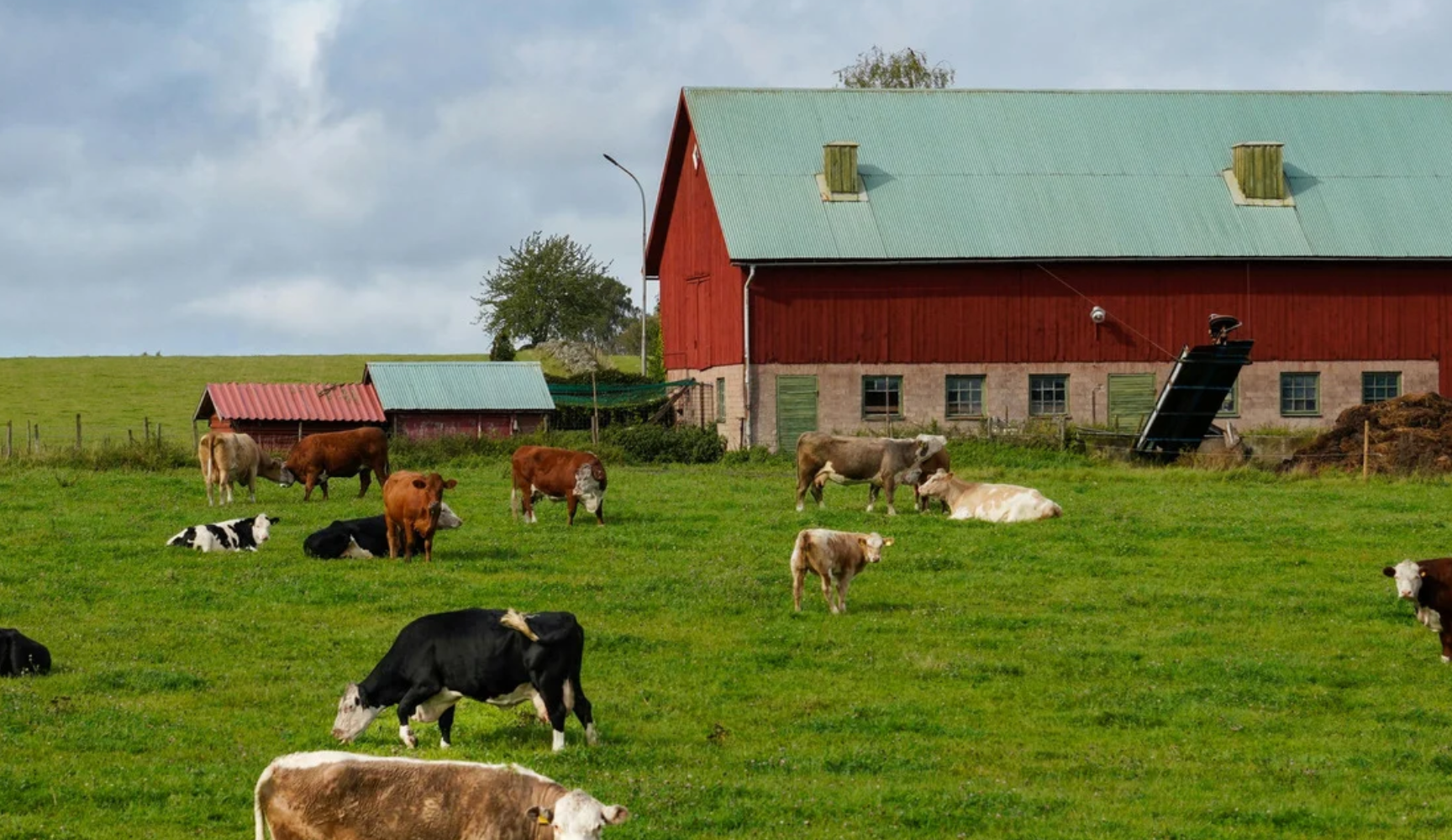
From seasonal produce boxes to pasture-raised meat subscriptions, these independently operated farms are making it easier to eat locally, support small farmers, and invest in a more sustainable food system.
There is something incredibly special about knowing where your food comes from. Knowing who grew it, how the soil was cared for, how the animals were raised, and what went into bringing it from the farm to your table.
As our food system becomes increasingly industrialized, reconnecting with the people and places responsible for feeding us has never felt more important. Between the rise of highly processed foods, monoculture farming, excessive food packaging, and the environmental consequences of conventional agriculture, it is worth taking a closer look at the systems we are supporting with our grocery dollars.
One of the most meaningful ways to make a difference is by supporting regenerative agriculture and independently owned farms.
Regenerative agriculture prioritizes the long-term health of the land rather than simply maximizing short-term production. Through practices such as cover cropping, crop rotation, composting, reduced tillage, biodiversity, and rotational grazing, regenerative farmers work to restore soil health, improve water retention, encourage biodiversity, and create more resilient agricultural ecosystems.
And the beautiful thing? Supporting these farmers doesn’t necessarily require a complete lifestyle overhaul. Something as simple as joining a local farm’s CSA program, subscribing to a seasonal produce box, or purchasing meat directly from a family-owned ranch can help create a more sustainable relationship with our food.
Below, I’ve rounded up 10 independently operated farms and farm-based memberships worth exploring if you’re looking to shop more intentionally and support the people working to build a healthier food system.
Why Supporting Local and Regenerative Farmers Matters
Before getting into the memberships, it’s important to understand why these choices matter.
1. You’re investing in healthier soil and a healthier planet.
Healthy soil is one of our most valuable natural resources. It plays an essential role in carbon storage, water filtration, nutrient cycling, and supporting biodiversity.
Conventional agricultural practices that rely heavily on intensive tillage and monoculture can contribute to soil degradation and erosion. Regenerative farming takes a different approach by prioritizing soil structure, organic matter, and living ecosystems.
When you support farmers who invest in these practices, you’re helping create demand for an agricultural system that works alongside nature rather than continually extracting from it.
2. Your money goes more directly to independent farmers.
Small, independently operated farms face considerable challenges competing with large-scale agricultural corporations and consolidated food supply chains.
Community Supported Agriculture (CSA) programs offer a different model. Rather than relying entirely on unpredictable market sales, farmers receive financial support directly from members, often at the beginning of a growing season.
According to the USDA, small family farms sold approximately $2.4 billion in edible agricultural products directly to consumers in 2023, more than any other farm category.
Purchasing directly from farmers helps preserve independent agricultural businesses, supports rural economies, and allows more of your food dollars to reach the people actually producing your food.
3. You’re reconnecting with seasonal, local food.
Eating locally encourages us to become more familiar with what grows in our region and when it is naturally available.
Instead of expecting every fruit and vegetable to be available year-round, seasonal eating invites us to appreciate the abundance of each growing season.
It also creates opportunities to discover smaller farms, unique varieties of produce, and traditional foods that rarely make their way into conventional grocery stores.
One important distinction: local food is not automatically more environmentally friendly simply because it travels fewer miles. Food transportation accounts for a relatively small share of food-system greenhouse gas emissions compared with land use and on-farm production. This is why supporting farmers who prioritize responsible growing practices is just as important as considering distance.
4. You’re supporting greater transparency in the food system.
When you purchase directly from a farm, you have an opportunity to ask questions that can be difficult to answer at a conventional grocery store.
What do the animals eat? Are pesticides used? Is the land managed with cover crops? Are animals rotated between pastures? How is soil health monitored?
Building a relationship with your farmer gives you a better understanding of how your food is produced and allows you to make more informed purchasing decisions.
10 Regenerative Farm Memberships and Subscriptions Worth Supporting
1. Sage Mountain Farm — California
Best for: Southern California produce and regenerative meat
If you’re in Southern California, Sage Mountain Farm is a wonderful place to start.
Located in Anza, California, this family farm is dedicated to reconnecting Southern California communities with locally grown food through organically farmed produce, community-supported agriculture, and regenerative ranching.
Their CSA program offers seasonal produce boxes, while their ranching operation provides access to beef raised with an emphasis on responsible land management.
What makes Sage Mountain particularly appealing is its commitment to educating consumers. The farm offers tours and opportunities to learn more about how food is grown and animals are raised.
Rather than simply purchasing groceries, members have an opportunity to develop a relationship with the people behind their food.
Why support them: A fantastic option for Southern California residents who want to make locally grown produce and responsibly raised meat a more consistent part of their grocery routine.
Website: https://sagemountainfarm.com/
2. Singing Frogs Farm — Sebastopol, California
Best for: No-till, chemical-free produce and seasonal CSA boxes
Singing Frogs Farm is a particularly inspiring example of what regenerative agriculture can look like on a smaller scale.
Located in Sonoma County, this family-run vegetable farm was founded by Elizabeth and Paul Kaiser, who developed an innovative intensive no-till farming system.
Their approach focuses on maintaining living soil, encouraging biodiversity, and producing abundant vegetables without relying on synthetic or organic pesticide sprays.
The farm’s CSA program provides members with a rotating selection of seasonal vegetables, herbs, fruits, and other harvests.
One especially interesting aspect of their farming philosophy is their commitment to avoiding tillage, which helps preserve soil structure and the biological communities living beneath the surface.
Their farm also emphasizes education, offering workshops, tours, and opportunities to learn more about regenerative growing practices.
Why support them: Singing Frogs demonstrates that small-scale agriculture can be productive while simultaneously prioritizing soil health, biodiversity, and the well-being of farm employees.
Website: https://www.singingfrogsfarm.com/
Membership note: Their 2026 CSA is currently full, but they maintain a waitlist for future openings.
3. Paradise Farms — Homestead, Florida
Best for: Organic, regenerative seasonal produce
Paradise Farms is a family-oriented farm in South Florida that offers seasonal CSA memberships centered around locally grown produce.
Their farm boxes feature regenerative, certified-organic produce, with seasonal shares available throughout different parts of the year.
Beyond its produce offerings, Paradise Farms is committed to creating a deeper connection between food, agriculture, and community. The farm also hosts experiences, tours, and farm-to-table gatherings.
I particularly love the idea of supporting farms that make food education part of their mission. Understanding the relationship between healthy soil, biodiversity, and the food we eat can change the way we approach grocery shopping altogether.
Why support them: Their seasonal CSA model offers a way to enjoy fresh, locally grown produce while investing in a farm that prioritizes regenerative practices and community connection.
Website: https://paradisefarms.com/
4. Elkenmist Farm — Skamokawa, Washington
Best for: Seasonal vegetable shares from a regenerative farm
Elkenmist Farm offers a straightforward and intimate CSA experience for those living in Washington’s Lower Columbia River region.
Their Farm Share program provides weekly boxes of vegetables grown using regenerative farming practices.
The farm emphasizes soil-building methods, including composting, rotational grazing, and avoiding synthetic pesticides and fertilizers.
One of the things that makes this membership appealing is its simplicity. Members purchase a weekly share and receive a curated selection of whatever is freshest and most abundant on the farm.
There are also opportunities to add products such as eggs, mushrooms, and pasture-raised lamb.
This is a beautiful example of the traditional CSA model: consumers support the farm directly, and the farm shares the abundance of its harvest with its members.
Why support them: Your membership helps provide farmers with more predictable income while giving you access to seasonal produce grown close to home.
Website: https://elkenmist.com/csa
5. The Fox Valleyaire — Jupiter Farms, Florida
Best for: Regenerative organic produce memberships
The Fox Valleyaire is a family-owned and operated regenerative organic food farm located in Jupiter Farms, Florida.
Its farm-to-table membership program offers a limited number of produce shares each year, allowing members to access food grown directly on the farm.
Their growing philosophy emphasizes soil health, biodiversity, ecological balance, and avoiding synthetic agricultural inputs.
I particularly appreciate their limited-membership approach. Rather than trying to serve an unlimited number of customers, the farm focuses on cultivating a direct relationship with the families it feeds.
The farm also plans educational opportunities and workshops to help members better understand regenerative agriculture.
Why support them: Supporting smaller farms with limited CSA memberships helps sustain agricultural operations that prioritize quality, transparency, and responsible land stewardship.
Website: https://www.thefoxvalleyaire.com/
6. Windhorse Farm — Scottsville, Virginia
Best for: Comprehensive farm boxes with produce, proteins, and specialty goods
Windhorse Farm offers a particularly interesting CSA model for anyone who wants to incorporate more farm-direct products into their weekly routine.
Their subscription boxes can include seasonal vegetables, fruits, berries, herbs, and optional proteins such as poultry, lamb, and pork.
Members can select boxes based on household size, making the program adaptable for individuals, couples, and larger families.
Additional offerings include mushrooms, baked goods, honey, preserves, and other specialty products.
What makes this subscription stand out is its emphasis on creating a more comprehensive relationship with the farm. Rather than simply purchasing vegetables, members have access to a broader selection of products connected to the agricultural operation.
Why support them: Windhorse makes it easier to consolidate more of your grocery shopping around a small farm and its seasonal offerings.
Website: https://www.windhorsefarmandmarket.com/subscriptions
7. Mastodon Valley Farm — Minnesota
Best for: Regeneratively raised meat subscriptions
For those interested in supporting regenerative livestock farming, Mastodon Valley Farm offers a unique meat CSA program.
The farm provides monthly or every-other-month meat subscriptions featuring grass-fed and pastured meats, including beef and pork.
Members can customize their boxes according to their preferences and household size, with different share levels available.
One particularly interesting feature is their supporter membership. In addition to covering the cost of the meat, the higher membership level helps fund the additional labor involved in regenerative land management, including tree planting, invasive species control, and increasing biodiversity.
This is an excellent example of a membership that recognizes regenerative agriculture requires more than simply producing food. It requires ongoing investment in the land itself.
Why support them: Their subscription model allows consumers to directly support pasture-based livestock production while helping finance the ecological work that makes regenerative farming possible.
Website: https://www.mastodonvalleyfarm.com/minneapolis-meat-csa
8. Fat Mountain Farms — North Carolina
Best for: Pasture-raised meat and seasonal freezer shares
Fat Mountain Farms is a family-owned farm in Cerro Gordo, North Carolina, offering regeneratively raised meats through individual purchases and seasonal meat shares.
Their offerings include pasture-raised chicken, grass-fed beef, grass-fed lamb, and pasture-raised eggs.
Their seasonal meat share program is particularly appealing for families who prefer to stock their freezers with farm-raised proteins.
Depending on the share selected, members receive curated boxes containing approximately 12–16 pounds or 25–30 pounds of meat per delivery.
The farm emphasizes rotational grazing and raises, processes, and packages its products directly, reducing the need for intermediaries.
They also offer local pickup, local delivery, and nationwide shipping options.
Why support them: Buying directly from a family farm helps create a more transparent relationship between consumers and livestock producers while supporting pasture-based agricultural practices.
Website: https://www.fatmountainfarms.com/
9. Hidden Waters Farm — Maryland
Best for: Customizable regenerative meat memberships
Hidden Waters Farm offers its Regenerative Ranchers Club, a membership program designed for consumers who want consistent access to pasture-raised meats.
Their offerings include grass-fed beef, woodland Berkshire pork, and pastured chicken.
Members can choose their box size, customize their meat selections, and determine how frequently they would like deliveries. Subscription options are available every two, four, six, or eight weeks.
Beyond the food itself, the membership includes farm-related experiences, educational opportunities, special product offerings, and exclusive events.
Their rotational grazing practices are designed to support soil health and biodiversity while providing animals with access to pasture.
I love that this program creates an opportunity to become more connected to the farm beyond the transaction of purchasing food.
Why support them: This membership offers a way to support a family-operated regenerative farm while learning more about responsible livestock management and the land behind your food.
Website: https://www.hiddenwaters.farm/pages/our-subscriptions
10. Foodshed Cooperative — San Diego, California
Best for: Supporting a network of small regenerative farms
While Foodshed Cooperative is a cooperative rather than a single independently owned farm, it deserves a place on this list because of its commitment to supporting independent growers throughout the San Diego region.
Their farm box subscriptions feature seasonal produce from a network of small regenerative farms.
Members can choose between different box sizes, with options for weekly or every-other-week deliveries.
Their Fresh 5 box includes five seasonal fruits, vegetables, or sprouts, while larger boxes provide a greater variety of produce. Members can also add pasture-raised eggs from Black Mountain Farm in Ramona.
One detail that makes Foodshed especially interesting is its commitment to directing 80% of each purchase to the farmer, with an additional 5% invested in farmer-led regenerative agriculture research.
This is a wonderful model for consumers who want to support multiple independent farms through one convenient subscription.
Why support them: Your membership helps strengthen a regional network of small farmers while contributing to the research and development of regenerative agricultural practices.
Website: https://www.foodshedcooperative.com/eat
How to Choose the Right Farm Membership
Not every farm subscription will look the same, and that’s part of what makes the CSA model so special.
Some farms focus exclusively on seasonal vegetables, while others offer pasture-raised meats, eggs, dairy, and specialty products.
Before committing to a membership, consider a few things:
- Start with location. Prioritize farms within your region whenever possible. Local pickup can help reduce transportation and packaging requirements.
- Ask about farming practices. Regenerative agriculture isn’t a single regulated certification. Ask farmers about their specific practices, including soil management, pesticide use, crop rotation, and grazing methods.
- Choose a realistic share size. A CSA should complement your lifestyle rather than leave you overwhelmed with produce you cannot use.
- Understand the commitment. Some memberships require seasonal payment, while others offer flexible monthly subscriptions.
- Get curious about your food. Ask questions, visit the farm, attend workshops, and learn about the people responsible for growing what you eat.
A Final Thought: Vote With Your Grocery Dollars
We often underestimate how much influence our everyday purchasing decisions have.
Every grocery purchase is an opportunity to support a particular system of food production. We can continue directing our money toward industrialized supply chains, or we can make a more conscious effort to support the independent farmers who are working to restore the land, protect biodiversity, and nourish their communities.
Of course, buying locally and regeneratively isn’t always the most convenient or affordable option. And it doesn’t have to be an all-or-nothing commitment.
Start small. Join a seasonal produce share. Purchase your eggs from a nearby farm. Visit a farmers market. Buy your next cut of meat directly from a rancher whose practices you believe in.
These seemingly small decisions help create a stronger market for farmers who are investing in the future of our food system.
Ultimately, supporting regenerative agriculture is about more than what ends up on our plates. It’s about the kind of world we want to leave behind, the land we want future generations to inherit, and the communities we want to sustain.
A healthier food system begins with remembering where our food comes from — and choosing to support the people who grow it.