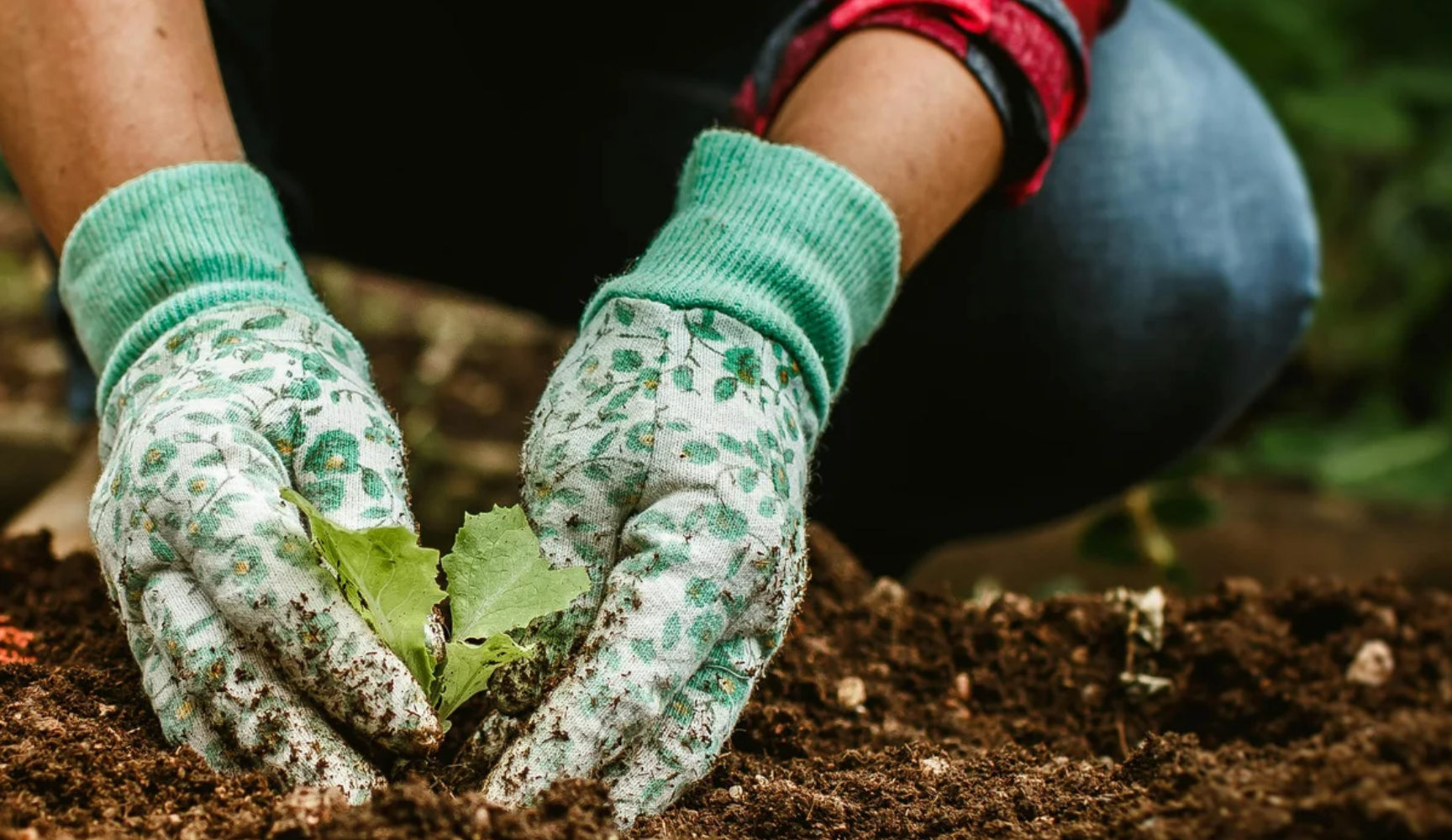
You don’t need acres of farmland, a greenhouse, or a naturally green thumb to start growing your own food. With a few pots, some sunshine, and a little patience, you can turn even the smallest backyard, patio, or balcony into a productive little garden.
There’s something incredibly rewarding about stepping outside, picking a handful of fresh tomatoes, snipping herbs for dinner, or enjoying strawberries that you’ve grown yourself. Beyond the satisfaction of harvesting your own food, growing a garden is one of the simplest ways to become more connected to what you eat, where it comes from, and how it’s grown.
In a world where so much of our food travels hundreds or even thousands of miles before reaching the grocery store, starting a backyard garden is a small but meaningful step toward a more sustainable lifestyle. It gives you greater control over how your food is grown, reduces the need for unnecessary packaging, and encourages you to eat seasonally and locally.
And the best part? You don’t need much space to get started.
Whether you have a small backyard, a sunny patio, raised garden beds, or just a few containers on your porch, there are plenty of fruits and vegetables that are surprisingly easy to grow. If you’ve been wanting to try your hand at growing your own food but aren’t quite sure where to begin, these are 10 beginner-friendly options that offer a wonderful place to start.
Why You Should Consider Growing Your Own Food
Before we get into what to plant, it’s worth talking about why growing even a small amount of your own food can make such a difference.
1. You know exactly what’s going into your food.
One of the biggest benefits of growing your own produce is having control over how it’s cultivated. You can choose organic seeds, prioritize healthy soil, avoid synthetic pesticides and herbicides, and use natural methods to keep pests away. This doesn’t automatically make homegrown produce healthier than everything at the grocery store, but it does give you more transparency over the growing process.
2. Fresher food can mean better flavor.
Have you ever tasted a tomato picked straight from the vine? Or strawberries that were allowed to ripen naturally in the sun? Homegrown produce can be harvested at peak ripeness rather than picked early to withstand long-distance transportation and storage. The difference in flavor can be remarkable.
3. It’s a small step toward a more sustainable lifestyle.
Growing food at home can reduce food packaging, transportation needs, and some of the environmental impacts associated with conventional food supply chains. You can also compost kitchen scraps, reuse containers, collect rainwater where appropriate, and build healthier soil over time.
4. It encourages a more seasonal approach to eating.
Instead of buying the same produce year-round, gardening encourages you to eat what is naturally growing during each season. This can help diversify your diet and reconnect you with the rhythms of nature.
5. It’s an investment in a more self-sufficient lifestyle.
You don’t have to become completely self-sufficient to benefit from gardening. Even growing a few of your household staples can make you feel more empowered and less dependent on the grocery store for every meal.
10 Easiest Fruits & Vegetables to Grow at Home
The following plants are relatively beginner-friendly, productive, and well-suited to smaller spaces. Many can thrive in containers, making them ideal for apartment dwellers, renters, and anyone who doesn’t have room for a traditional vegetable garden.
1. Cherry Tomatoes
Best for: Small patios, containers, hanging baskets, and sunny backyards.
If there’s one vegetable (technically a fruit!) I would recommend every beginner grow, it’s cherry tomatoes.
Cherry tomatoes are relatively easy to care for, produce an impressive amount of fruit throughout the growing season, and taste significantly different when picked fresh from the vine. Varieties like Sweet 100, Sun Gold, and Black Cherry are wonderful options for home gardeners.
All you need is a container that’s at least 5 gallons, quality potting soil, plenty of sunlight, and a sturdy support cage or trellis. Choose a compact or determinate variety if you’re especially limited on space, although many indeterminate cherry tomato varieties are also excellent when grown vertically.
Growing tips:
- Aim for 6–8 hours of direct sunlight daily.
- Water consistently, keeping the soil evenly moist.
- Use a tomato cage or stake to support growing vines.
- Harvest when the tomatoes are fully colored and slightly soft.
Why we love them: They’re incredibly versatile. Add them to salads, roast them with olive oil, make homemade pasta sauce, or enjoy them straight from the garden.
2. Strawberries
Best for: Hanging baskets, window boxes, vertical planters, and containers.
Strawberries are one of the most rewarding fruits to grow at home, especially if you’re short on space.
Unlike many fruit-bearing plants, strawberries have relatively shallow roots and don’t require a large garden bed. They’re perfectly happy growing in containers, hanging baskets, and vertical strawberry planters.
Look for everbearing or day-neutral varieties if you want multiple harvests throughout the growing season. Alpine strawberries are another lovely option for smaller spaces, producing petite, flavorful berries.
Growing tips:
- Give strawberries 6–8 hours of sunlight when possible.
- Choose a container with good drainage.
- Avoid burying the crown of the plant beneath the soil.
- Keep the soil consistently moist without waterlogging it.
- Protect ripening berries from birds with garden netting if needed.
Why we love them: Strawberries are a wonderful way to introduce fresh fruit into your daily routine. Add them to breakfast bowls, smoothies, salads, or homemade desserts.
3. Lettuce & Mixed Salad Greens
Best for: Shallow containers, raised beds, window boxes, and partial-sun areas.
If you’re looking for something that grows quickly and doesn’t require much maintenance, lettuce is an excellent place to start.
Loose-leaf varieties like Black Seeded Simpson, Red Salad Bowl, and Oakleaf lettuce are particularly beginner-friendly. You can harvest individual outer leaves as needed, allowing the plant to continue producing more greens.
Baby spinach, arugula, and mesclun mixes are also wonderful options for a small home garden.
Growing tips:
- Use a container at least 6–8 inches deep.
- Plant seeds every few weeks for a continuous harvest.
- Provide morning sun and afternoon shade in warmer climates.
- Harvest outer leaves regularly to encourage continued growth.
- Keep soil moist, especially during warm weather.
Why we love them: Salad greens are one of the easiest ways to incorporate fresh, nutrient-dense foods into your meals. Having them growing right outside your door makes throwing together a fresh salad almost effortless.
4. Zucchini
Best for: Raised garden beds, larger containers, and sunny backyard corners.
Zucchini is one of those vegetables that can make you feel like a gardening expert, even if it’s your first season.
Once established, zucchini plants are productive growers and can produce an impressive harvest from just one or two plants. The only catch is that traditional varieties need more room than some other vegetables.
If you’re working with limited space, look for compact or bush varieties rather than sprawling types.
Growing tips:
- Choose a large container, ideally 15–20 gallons or more.
- Give plants at least 6–8 hours of sunlight.
- Water at the base of the plant rather than over the leaves.
- Harvest zucchini when they’re young and tender, generally around 6–8 inches long.
- Check leaves regularly for signs of powdery mildew or pests.
Why we love it: Zucchini is incredibly versatile. Use it for zucchini noodles, roasted vegetables, soups, fritters, or homemade zucchini bread.
5. Cucumbers
Best for: Vertical gardens, trellises, containers, and small raised beds.
Cucumbers are an excellent choice for anyone trying to maximize a small gardening space because many varieties grow beautifully vertically.
Rather than allowing vines to spread across the ground, train them up a trellis, fence, or garden support. This saves valuable space while allowing the plant to receive good airflow and sunlight.
For smaller gardens, look for compact bush varieties or container-friendly cucumbers. If you’re interested in making homemade pickles, choose a pickling variety like National Pickling.
Growing tips:
- Select a container of at least 5 gallons, preferably larger.
- Provide a sturdy trellis for climbing varieties.
- Water regularly, especially during fruit production.
- Harvest frequently to encourage continued production.
- Choose disease-resistant varieties when possible.
Why we love them: Fresh cucumbers are perfect for salads, infused water, homemade pickles, and refreshing summer snacks.
6. Radishes
Best for: Small containers, shallow raised beds, and beginner gardens.
Radishes might just be the most underrated vegetable for beginner gardeners.
They grow incredibly quickly, require very little space, and many varieties are ready to harvest in as little as 25–35 days. This makes them especially satisfying for anyone who wants to see the results of their gardening efforts without waiting months.
French Breakfast, Cherry Belle, and Easter Egg radishes are all great options.
Growing tips:
- Use a container at least 6 inches deep.
- Sow seeds directly into the soil.
- Keep soil consistently moist for tender roots.
- Thin seedlings so roots have room to develop.
- Harvest promptly once mature to prevent woody or overly spicy radishes.
Why we love them: Radishes add a delicious crunch to salads, sandwiches, grain bowls, and homemade tacos. You can even sauté the leafy tops instead of throwing them away.
7. Green Beans
Best for: Vertical trellises, containers, and narrow garden beds.
Green beans are one of the easiest vegetables to grow, and they’re particularly great for gardeners who want to make the most of vertical space.
Pole beans climb upward along trellises, making them ideal for small gardens where horizontal space is limited. Bush beans are another option if you prefer something compact that doesn’t require climbing support.
Varieties like Blue Lake, Kentucky Wonder, and Provider are popular choices for home gardens.
Growing tips:
- Plant seeds directly into well-draining soil.
- Give pole beans a sturdy trellis or support.
- Aim for at least 6 hours of sunlight.
- Water consistently, particularly when flowers and pods begin forming.
- Harvest beans while they’re young and tender.
Why we love them: Green beans are easy to incorporate into everyday meals, and their productivity makes them a worthwhile addition to even a modest garden.
8. Bell Peppers
Best for: Containers, raised beds, and sunny patios.
Bell peppers are another wonderful option for small-space gardening. They’re relatively compact, grow well in containers, and can produce colorful fruits throughout the warm growing season.
You can choose traditional green bell peppers or grow red, yellow, and orange varieties for a more colorful harvest.
Smaller pepper varieties, such as lunchbox peppers, are also worth considering if you want something particularly productive in a container.
Growing tips:
- Choose a container of at least 5 gallons.
- Provide 6–8 hours of direct sunlight.
- Use well-draining, nutrient-rich potting soil.
- Water consistently without allowing roots to sit in standing water.
- Support plants with a small stake if they’re carrying heavy fruit.
Why we love them: Bell peppers are rich in vitamin C and make a wonderful addition to salads, stir-fries, omelets, and homemade meals.
9. Herbs: Basil, Mint, Parsley & Chives
Best for: Windowsills, small pots, balcony gardens, and kitchen herb gardens.
If you have very limited space, start with herbs.
Herbs are some of the easiest and most affordable plants to grow at home, and a few small pots can make a surprising difference in your cooking.
Basil, parsley, chives, and mint are excellent beginner options. Rosemary and thyme are also wonderful choices, particularly if you live in a warmer climate.
One important note: Mint spreads aggressively, so it’s best grown in its own container rather than planted directly in a garden bed.
Growing tips:
- Choose individual containers with drainage holes.
- Give basil plenty of sunlight and pinch off flower buds to encourage leafy growth.
- Keep parsley evenly watered.
- Grow mint in a separate pot.
- Allow rosemary and thyme soil to dry slightly between waterings.
Why we love them: Fresh herbs elevate almost any meal, from homemade pasta and roasted vegetables to salads, teas, and dressings. Growing your own also means you’re less likely to purchase plastic-packaged herbs that go bad before you can use them.
10. Meyer Lemons
Best for: Sunny patios, container gardens, and small backyards.
If you’re interested in growing fruit but don’t have room for a traditional fruit tree, a dwarf Meyer lemon tree is a beautiful option.
Meyer lemon trees can thrive in large containers and are particularly well-suited to patios and sunny outdoor spaces. They’re naturally more compact than many traditional citrus trees and can produce fragrant blossoms and flavorful lemons.
Although they require a little more attention than some of the vegetables on this list, they’re a wonderful long-term investment for a home garden.
Growing tips:
- Purchase a dwarf or semi-dwarf Meyer lemon variety.
- Choose a container of at least 15–20 gallons as the tree matures.
- Provide at least 6–8 hours of sunlight.
- Use a well-draining citrus potting mix.
- Fertilize with a citrus-specific fertilizer according to package directions.
- Protect the tree from frost and extreme cold.
Why we love it: Imagine having fresh lemons available for homemade salad dressings, sparkling water, marinades, and baked goods. Beyond the fruit, citrus trees also make beautiful additions to an outdoor space.
How to Start a Small Backyard Garden Without Spending a Fortune
One of the biggest misconceptions about gardening is that you need to invest in expensive raised beds, elaborate irrigation systems, and a collection of specialized tools.
In reality, you can start with just a few basic supplies.
Here’s what I would recommend purchasing first:
1. A few good containers.
You don’t need a dozen pots to get started. Choose three or four containers with drainage holes, making sure they’re appropriately sized for the plants you want to grow. Food-safe fabric grow bags are another affordable option.
2. Quality organic potting soil.
Healthy soil is the foundation of a successful garden. Look for a quality potting mix suitable for edible plants, and consider incorporating finished compost to improve soil structure and provide nutrients.
Remember that potting mix is different from ordinary garden soil. Containers need a growing medium that drains properly while retaining enough moisture for healthy roots.
3. Organic seeds or starter plants.
If you’re brand-new to gardening, starter plants can make the process easier. However, growing from seed is often less expensive and gives you more variety.
Look for organic, non-GMO seeds from reputable seed companies when those qualities are important to you.
4. A watering can or garden hose attachment.
Consistent watering is one of the most important parts of gardening. A simple watering can is perfectly sufficient for a small container garden.
5. A little patience.
Not everything will grow perfectly the first time, and that’s part of the process. Some seeds won’t germinate, certain plants may attract pests, and you might accidentally overwater something. Gardening is a learning experience, so give yourself room to experiment.
Small-Space Gardening Tips to Maximize Your Harvest
If you don’t have much outdoor space, a little planning can go a long way.
Here are a few ways to get more out of a small garden:
Grow vertically. Use trellises, hanging baskets, and wall-mounted planters to grow upward instead of outward. Cucumbers, pole beans, and certain tomatoes are excellent candidates.
Choose container-friendly varieties. Look for words like dwarf, compact, patio, and bush when shopping for seeds and starter plants.
Practice succession planting. Instead of planting all your lettuce or radishes at once, sow small batches every two to three weeks. This helps create a more continuous harvest.
Use companion planting thoughtfully. Certain plants can share garden space effectively. For example, basil and tomatoes can grow alongside one another, provided both have enough sunlight, water, and room. Companion planting can be useful, but it isn’t a substitute for good growing conditions or pest management.
Make compost at home. Composting fruit and vegetable scraps is a wonderful way to reduce household waste and create a valuable soil amendment. Even a small compost bin or worm composting setup can make a difference.
Prioritize sunlight. Before purchasing plants, observe your outdoor space throughout the day. Most fruiting vegetables need at least 6–8 hours of direct sunlight. Leafy greens and some herbs can tolerate partial shade.
When Should You Start Planting?
One of the most important things to understand about gardening is that not every fruit or vegetable grows best at the same time of year.
Generally, cool-season crops like lettuce, spinach, radishes, and peas prefer cooler temperatures. Warm-season crops like tomatoes, peppers, cucumbers, zucchini, and green beans thrive in warmer weather.
If you live in a warmer climate, such as Southern California, you may have a longer growing season than someone living in a colder region. You can often grow cool-season vegetables in fall, winter, and early spring, while reserving the warmer months for tomatoes, peppers, and other heat-loving plants.
Before planting, check your USDA growing zone, local planting calendar, and the temperature requirements listed on your seed packets. Your local university cooperative extension is also an excellent resource for region-specific gardening advice.
A Few More Ways to Make Your Garden Sustainable
If your goal is to grow food in a way that benefits both your household and the environment, consider incorporating a few of these practices:
- Choose organic growing methods: Avoid synthetic pesticides and herbicides when possible, and use integrated pest management techniques to protect your plants.
- Build healthy soil: Add finished compost and organic matter to support soil structure and beneficial microorganisms.
- Conserve water: Water at the base of your plants, mulch exposed soil, and consider drip irrigation for larger container setups.
- Save seeds: Learn to save seeds from suitable open-pollinated varieties, following proper harvesting and storage practices.
- Plant pollinator-friendly flowers: Include flowers like calendula, nasturtiums, and native flowering plants to provide resources for beneficial insects.
- Compost food scraps: Return nutrients to the soil instead of sending every kitchen scrap to the landfill.
- Avoid unnecessary plastic: Reuse food-safe containers where appropriate, choose durable gardening tools, and explore biodegradable or reusable seed-starting options.
These small habits can help make your garden more resource-conscious while creating a healthier growing environment.
Final Thoughts: You Don’t Need a Farm to Grow Your Own Food
Starting a garden doesn’t have to be an all-or-nothing commitment. You don’t need acres of land, a perfectly landscaped backyard, or years of gardening experience to begin enjoying the benefits of growing your own food.
Start with a few pots of herbs. Add a cherry tomato plant. Try growing strawberries in a hanging basket or lettuce in a small container. As you become more comfortable, you can gradually expand your garden and experiment with new fruits and vegetables.
Beyond the food itself, gardening offers something that’s becoming increasingly valuable in our modern world: a connection to the natural systems that sustain us.
It encourages us to slow down, pay attention to the seasons, appreciate where our food comes from, and become more intentional about what we put into our bodies.
And perhaps most importantly, it reminds us that living more sustainably doesn’t always require a major lifestyle overhaul. Sometimes it starts with something as simple as planting a seed, giving it a little sunshine and water, and watching it grow.
You don’t need a farm to start growing your own food. You just need a little space, a little curiosity, and somewhere to plant your first seed.